

The Zara Campaign emphasizes the need to evaluate advertising campaigns from different perspectives.
Zara launched a campaign to introduce their Atelier collection, inspired by the men’s cutting art of centuries ago. However, images of limbless mannequins and plastic statues caused controversy as they related to the situation in Gaza. This led to criticism and calls for a boycott on social media. Zara withdrew the campaign and apologized for the misunderstanding, emphasizing the importance of thoroughly testing campaigns before launching and opening the debate on the ethical use of others’ suffering in advertising.
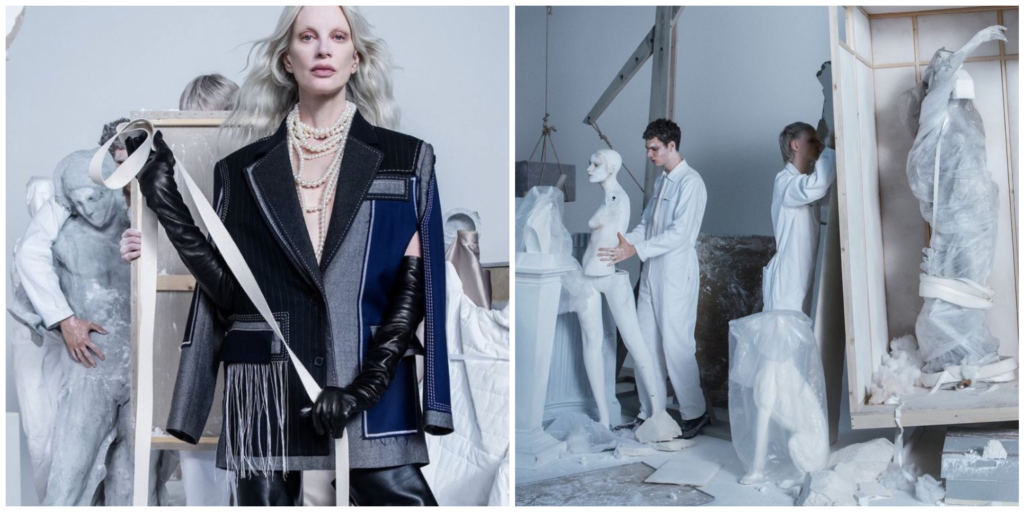
ZARA, known for its fame in the fashion world and its global influence, recently launched a new campaign to showcase its Atelier collection. The company, known for its progressive style and focus on fashion trends, wanted to capture the public’s attention with an advertising strategy that highlighted the inspiration of menswear from a bygone era.
Mannequins without limbs
The campaign was designed as a visual display that featured mannequins without limbs and statues wrapped in plastic. These images were supposed to represent a so-called artist’s studio, with elements such as stairs, packaging materials, wooden boxes and assistants dressed in overalls. The aim was to present an innovative and artistic aesthetic that emphasized the essence of the collection.
However, the original intention of these images took an unexpected turn in public interpretation. Criticism and controversy arose, especially from pro-Palestinian activists, who linked these images to the situation in Gaza. The display of mannequins without limbs and statues in plastic was associated with scenes reminiscent of corpses wrapped in white cloth in Gaza, causing a strong reaction on social media.
Controversy
The controversy became so big that Zara chose to withdraw the campaign and issue a statement explaining that the images had been misinterpreted. The company stated that the images were removed because some people felt offended and saw something different than originally intended. This response attempts to alleviate the situation and clarify the confusion surrounding the visual representations of the campaign.
The recent controversy surrounding the Zara campaign highlights the critical importance of thorough testing before launching advertising campaigns that could damage the perception of the brand. The fact that the interpretation of the images deviated significantly from the original intention demonstrates the need for a careful and thorough evaluation of how these visual representations might be understood by the audience.
Furthermore, this case raises deeper reflections on the ethical limits of using other people’s pain to create brand awareness and maintain a prominent position in the minds of consumers. To what extent is it acceptable to use human suffering to increase brand awareness? What is the balance between creating awareness and showing respect for people’s sensitivity?
Consider the potential impact of campaigns from different perspectives
The situation with Zara illustrates the urgent need for brands to consider the potential impact of their campaigns from different perspectives before launching them. The call for reflection goes beyond simple advertising creativity and touches an ethical dimension that requires a thorough analysis of possible interpretations and consequences that may arise.
Ultimately, this case serves as a reminder of the responsibility of brands in the world of advertising and marketing. Sensitivity and empathy should prevail when creating campaigns, taking into account the human impact of visual representations to avoid undesirable consequences that can negatively influence the perception of the brand and the connection with consumers.